
Pressure-and-temperature growth
Controlled pressure and heat allow carbon to crystallise around a diamond seed. The conditions are managed for the intended growth and quality.
Science & craft
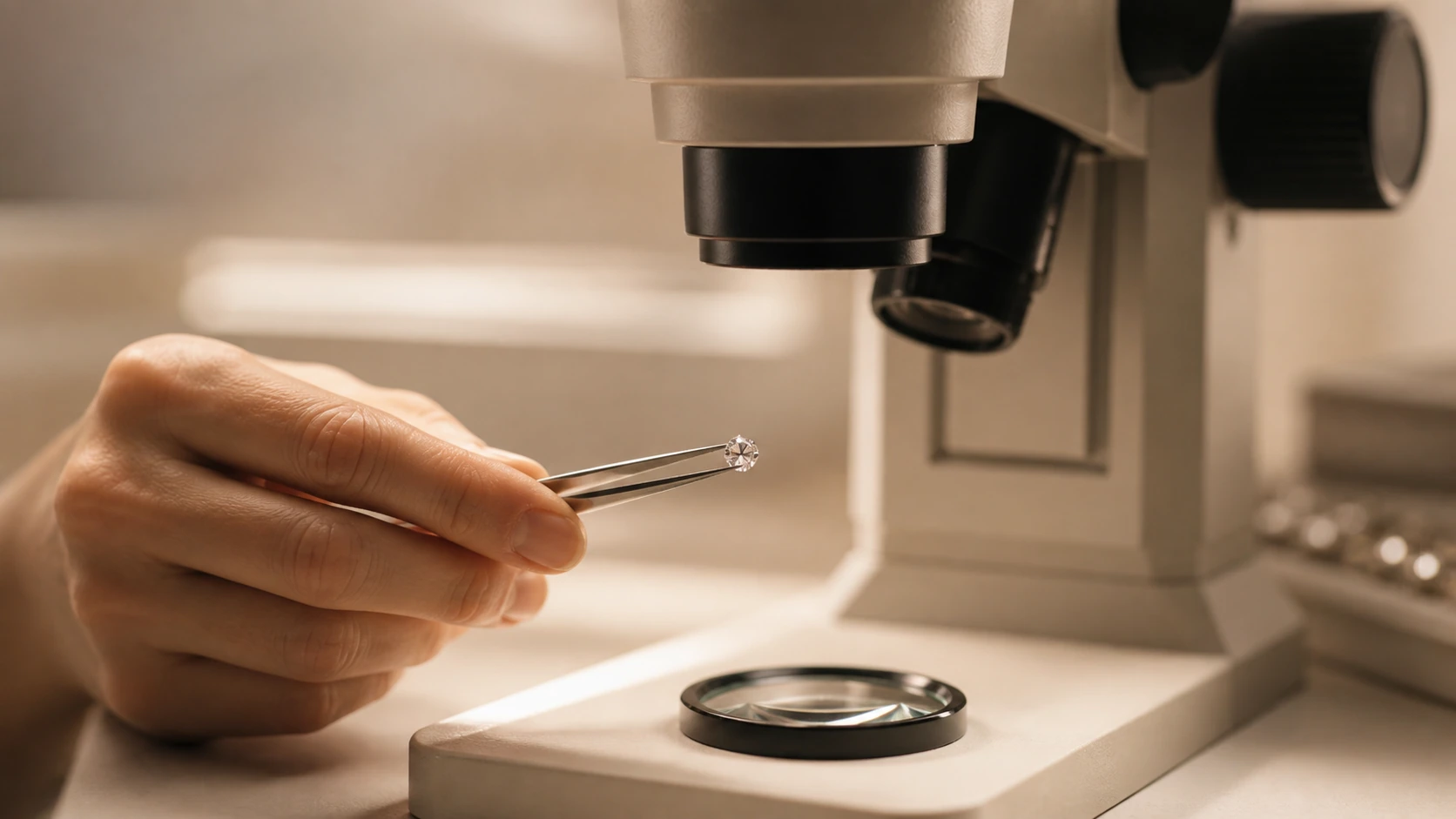
A laboratory-grown diamond is a real diamond. Maison explains how origin, documentation and identification are handled.
What makes it a diamond
A laboratory-grown diamond has the same crystal structure, hardness and optical properties as a natural diamond. It is not cubic zirconia, moissanite or an imitation.
Only its origin differs. Instead of being mined, the diamond grows in a controlled environment where temperature, pressure and gas composition are precisely managed.
For each project, Maison explains the suitable laboratory process, intended size, future setting and available documentation.
Growth methods
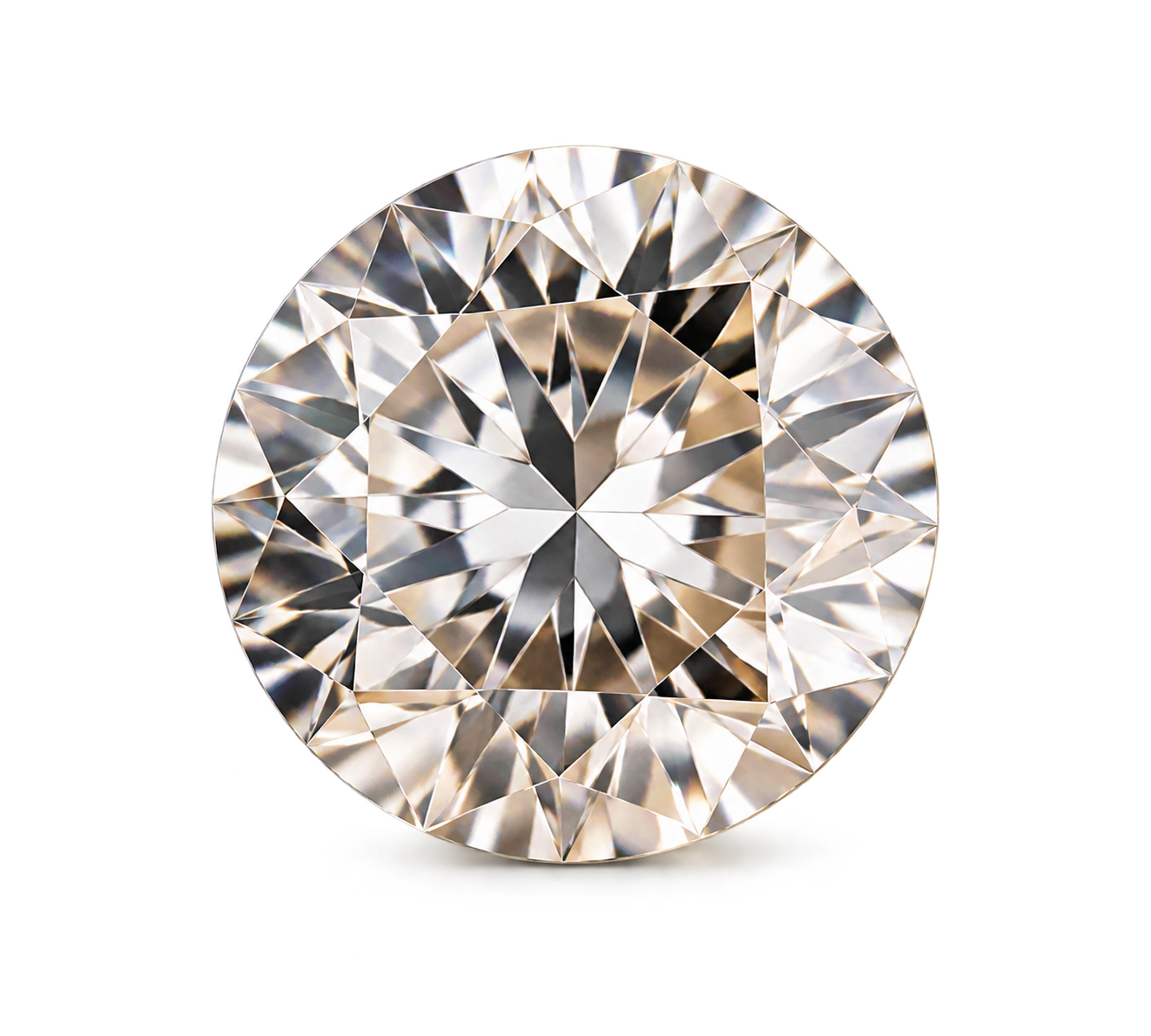
Both methods use carbon and a diamond seed. The appropriate method depends on the source material, technical assessment and desired result.
Controlled pressure and heat allow carbon to crystallise around a diamond seed. The conditions are managed for the intended growth and quality.
In a controlled chamber, carbon-containing vapour settles onto a diamond seed and builds the crystal layer by layer.
Identification
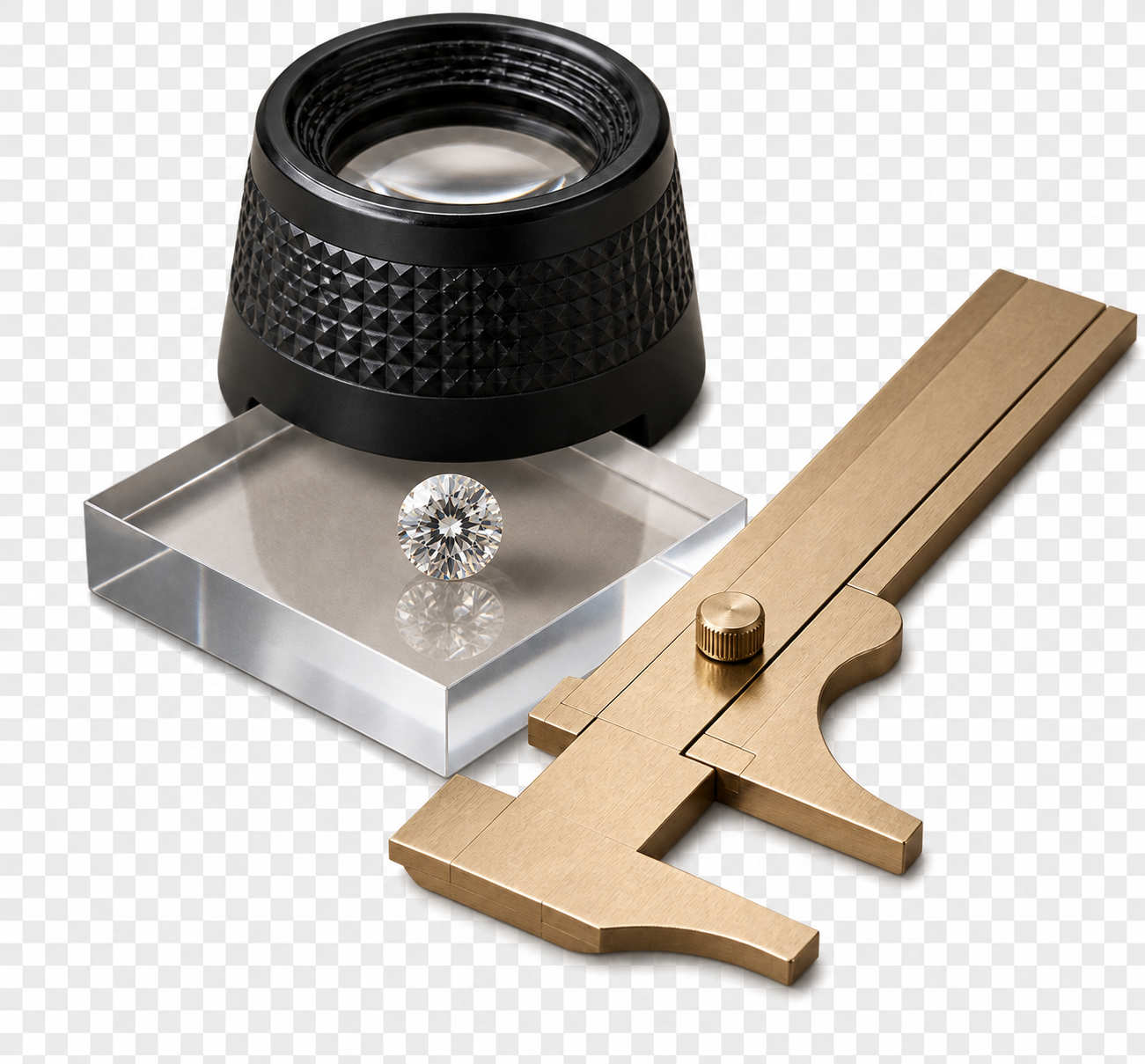
After cutting and polishing, a laboratory-grown and natural diamond can look the same to the eye. Reliable origin identification depends on professional screening, specialised instruments and gemmological analysis.
Specialist laboratories look for evidence of the growth environment: growth structure, trace elements, fluorescence or phosphorescence behaviour and spectroscopic features. These are not signs of a lesser diamond; they are signs of how the crystal formed.
This is why Maison speaks precisely. A diamond may look identical in daily life, while its laboratory origin can still be disclosed and documented when appropriate reports are available.
A considered scientific approach
Maison Lumore works with laboratory-grown diamonds: diamond crystals grown by human-directed technology, not simulants made to resemble diamond.
The meaningful distinction is how the crystal formed. Beauty, brilliance and daily wear are not the tools used to identify origin.
Laboratory, material and certificate language is used only where Maison can explain what applies to your request.
Before anything is sent
Before you send personal material, Maison clarifies what can be assessed, what remains uncertain and what should happen next for your request.
Whether the source material can be considered for the intended laboratory process.
Which growth method may be suitable and what still requires specialist assessment.
Which size, cut, colour and jewellery form can be defined at the enquiry stage.
What reports, handling steps, delivery requirements and timing can be discussed before work begins.
Science questions
Yes. It is a diamond crystal grown under controlled laboratory conditions. It is not a simulant such as cubic zirconia or moissanite. Maison still describes the origin clearly, because laboratory-grown and natural diamonds form in different ways.
The difference is origin. A natural diamond forms in the earth over geological time; a laboratory-grown diamond forms in a controlled environment through carefully managed growth technology.
Not reliably by eye. Professional identification uses specialised instruments and gemmological analysis to read growth-related features that ordinary viewing does not reveal.
Maison confirms the practical details for your request: material review, possible laboratory process, intended diamond, documentation, timing and handling instructions.
Your private conversation
Maison will answer questions about production, laboratory stages, documents and anything worth understanding in advance.
Begin a private consultation